
Applications
Nine device families, one number that matters for each.
Every page names the problem first, then the published study that bears on it. The number on each card comes from that study, and every page lists its sources. No coated device has been implanted in a person. Where a substrate or result is not yet published, the page says the feasibility round measures it on your parts.
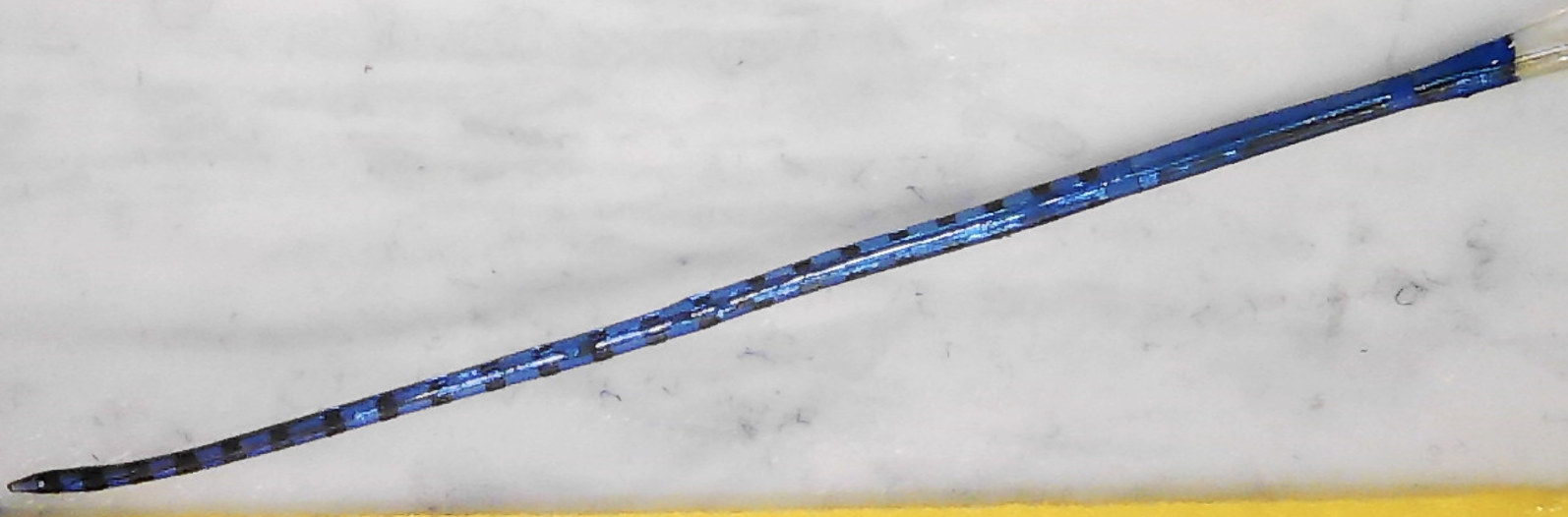
Neural interfaces
~50%
lower total electrode impedance after four weeks in sheep (Ben-Shlomo 2026)
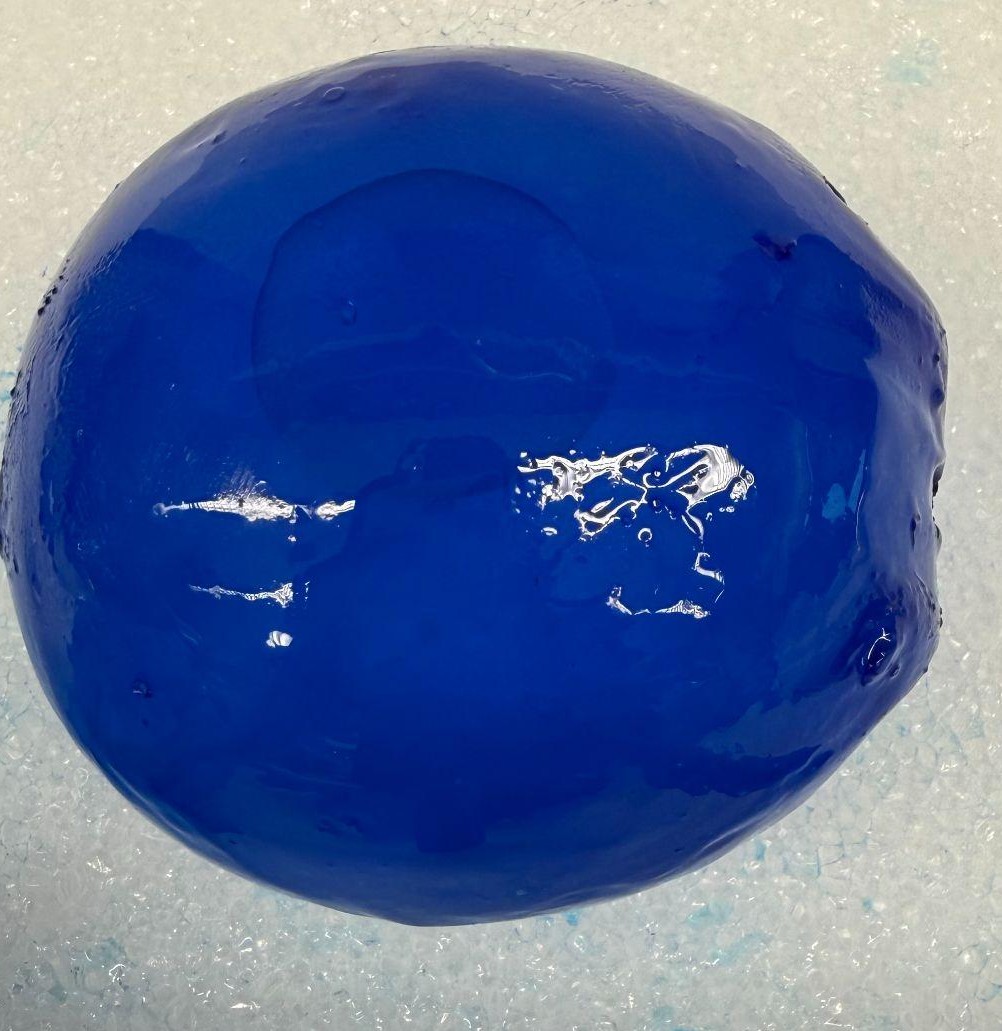
Tissue expanders and breast implants
82 to 27 µm
capsule thickness around coated silicone in mice at six weeks (Horne 2023)
Vascular access
~97%
less S. aureus adhesion on coated silicone in vitro (Shen 2021)
Indwelling catheters
12.5 vs 12.6%
symptomatic CAUTI with silver alloy versus standard catheters: the problem a new surface must solve (Pickard 2012)
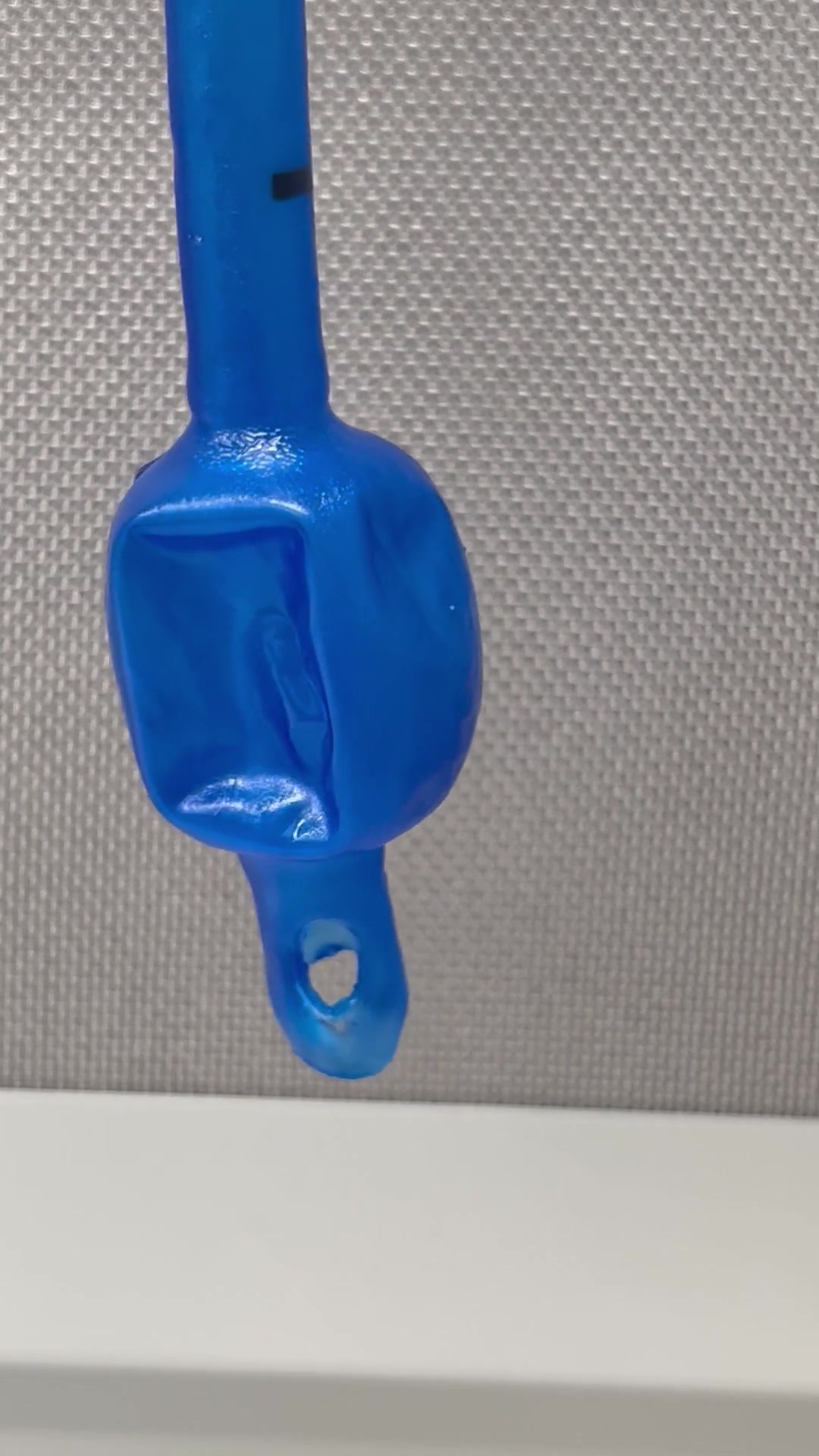
Airway tubes
~50%
less peak insertion force for coated cochlear implant arrays in human cadaveric cochleae (Bennion 2021, Peel 2024)
GI stents
22.5 vs 30 min
median time to clear a dried mucus plug, coated against uncoated tubes (Horne 2025)
PEEK and orthopedic
feasibility
PEEK bonding is measured on your parts
Sensors
~60%
thinner capsule around implanted arrays at one year in mice (Horne 2023)
ENT and feeding tubes
~0°
tilt to start saline flow on coated silicone sheets, against 45 uncoated (Horne 2025)